Frequently Asked Questions
How do I create a consistent minimalist design language?
To create a consistent minimalist design language, focus on simplicity, clean lines, ample white space, limited color palette, and high-quality typography. Aim for clarity, balance, and functionality while removing unnecessary elements to maintain a cohesive aesthetic across all design assets.
Can I use animations in a minimalist web design?
Yes, animations can enhance a minimalist web design by adding subtle movements that improve user experience without overwhelming the simplicity. Use animations sparingly for emphasis, transitions, or feedback to maintain the clean and uncluttered aesthetic while still engaging visitors effectively.
How do I measure the success of a minimalist design?
To measure the success of a minimalist design, assess user engagement, conversion rates, and feedback. Track metrics such as bounce rate, time on page, and click-through rates. Conduct usability testing and gather qualitative insights to evaluate the design's clarity and impact.
Can a minimalist website be visually appealing?
Yes, a minimalist website can be visually appealing. By focusing on clean design, white space, and strong typography, minimalist websites can create a sophisticated and elegant look that is visually striking and easy to navigate for users. Less clutter often leads to more emphasis on key elements, enhancing overall aesthetics and user experience.
What is the importance of simplicity in web design?
Simplicity in web design is crucial for enhancing user experience, improving site navigation, increasing loading speed, and ensuring mobile responsiveness. Clean layouts, intuitive interfaces, and clear content presentation help engage visitors and drive conversions. Minimalistic designs also foster brand credibility and establish a professional online presence.
Can I add animations to a minimalist website?
Yes, animations can enhance a minimalist website if used judiciously. They should be subtle, purposeful, and contribute to a better user experience without overshadowing the site's clean design. Consider implementing animations like fades, transitions, or micro-interactions for a modern touch.
How do I simplify my websites navigation?
To simplify your website's navigation, consider the following strategies:Limit the number of menu items
Organize content logically
Use clear labels and concise wording
Incorporate dropdown menus for sub-categories
Ensure easy access to important pages
Can a minimalist website be used for a personal brand?
Yes, a minimalist website can effectively showcase a personal brand. Clean design, focused content, and easy navigation can convey a strong brand identity, enhance user experience, and highlight key information or services. Minimalist websites often exude sophistication and modernity, aligning well with personal brands seeking simplicity and elegance.
How do I optimize a minimalist website for mobile?
To optimize a minimalist website for mobile, focus on responsive design, streamline content, prioritize loading speed, and utilize intuitive navigation. Use clear call-to-action buttons, maintain consistent branding, and test the website across various devices to ensure a seamless user experience.
Can minimalist websites be used for non-profit organizations?
Yes, minimalist websites are suitable for non-profit organizations. They emphasize simplicity, quick navigation, and clear messaging, enhancing user experience. Minimalist designs can convey a strong mission, inspire action, and prioritize content over clutter, effectively engaging visitors and promoting the organization's cause.
Can I use patterns in a minimalist website design?
Yes, patterns can be used effectively in a minimalist website design to add visual interest and depth without cluttering the design. Subtle patterns like geometric shapes or simple textures can enhance the overall aesthetics while maintaining the core principles of minimalism.
What are the principles of minimalist web design?
Minimalist web design focuses on simplicity, intuitive navigation, ample white space, clear typography, and high functionality. It emphasizes essential content, declutters unnecessary elements, uses a restrained color palette, and prioritizes user experience and fast loading times.
Are minimalist websites easy to navigate?
Yes, minimalist websites are easy to navigate due to their simple design, clear structure, and focus on essential content. Limited distractions help users find information quickly, leading to improved usability and a seamless browsing experience.
How does minimalism improve website loading speed?
Minimalism improves website loading speed by reducing the amount of unnecessary elements, such as large images and complex design features. This streamlined approach decreases the overall page size, leading to faster loading times, enhanced user experience, and improved performance on various devices.
What defines a minimalist website design?
A minimalist website design is characterized by simplicity, clean aesthetics, ample white space, limited color palette, clear typography, and focused content. It prioritizes user experience, fast loading times, intuitive navigation, and minimalistic visuals to deliver a streamlined, clutter-free browsing experience.
Can minimalist websites be used for complex applications?
Yes, minimalist websites can effectively be used for complex applications by focusing on essential elements, simplifying navigation, optimizing user experience, and maintaining functionality. Clear design and strategic placement of features enhance usability, ensuring a streamlined and effective user interaction.
How do I choose a minimalist website template?
When selecting a minimalist website template, focus on clean design, easy navigation, and responsive layout for optimal user experience. Consider customization options, loading speed, and mobile compatibility. Look for templates with simple aesthetics, limited color palette, and uncluttered elements to maintain a minimalistic look.
What are some popular minimalist web design tools?
Popular minimalist web design tools include Sketch, Adobe XD, Figma, and Canva for creating clean and simple designs. Tools like Grid System, Font Awesome, and Google Fonts assist in achieving minimalist aesthetics efficiently.
Are minimalist websites more user-friendly?
Minimalist websites are often considered more user-friendly due to their clean design, easy navigation, and reduced distractions. They prioritize essential content, improving user focus and experience. However, simplicity should not compromise functionality, accessibility, or clear communication to maintain user-friendliness.
How to add visual interest to a minimalist website?
To add visual interest to a minimalist website, consider using whitespace effectively, incorporating high-quality images or videos sparingly, utilizing bold typography, establishing a consistent color scheme, and implementing subtle animations or interactive elements to engage users visually while maintaining the site's clean design aesthetic.
How can I create a minimalist typography system?
To create a minimalist typography system, start by selecting a simple, easy-to-read font. Establish a hierarchy with font sizes and weights. Limit the number of fonts used to maintain consistency. Utilize ample whitespace for clean designs. Ensure legibility and balance in spacing for a minimalist aesthetic.
Can a minimalist website be used for a portfolio?
Yes, a minimalist website can be an excellent choice for a portfolio. A clean and simple design can often enhance the focus on the portfolio content, creating a professional and sophisticated look. Minimalist websites are also easy to navigate, ensuring that visitors can quickly find and view your work. Prioritizing quality over quantity in design elements can make a strong impression on potential clients or employers.
How to create a minimalist website for a startup?
To create a minimalist website for a startup, focus on clean design, limited color palette, ample white space, clear navigation, and concise content. Prioritize user experience, mobile responsiveness, fast loading times, and compelling visuals to convey your brand effectively while keeping the design simple and intuitive.Utilize high-quality images and typography to enhance the visual appeal and maintain consistency across all pages for a cohesive look. Implement intuitive call-to-action buttons and optimize for SEO to ensure the site ranks well on search engines.
How to balance minimalism with information on a website?
Balancing minimalism with information on a website involves prioritizing essential content, decluttering unnecessary elements, utilizing white space effectively, maintaining a consistent design style, and employing clear navigation. Focus on user experience, concise messaging, and strategic placement of key details to create a clean and informative website design.
What is the purpose of a minimalist website?
A minimalist website aims to streamline design, enhance user experience, focus on essential content, improve site speed, boost readability, increase user engagement, and evoke a sense of simplicity and elegance.
How do I balance minimalism with functionality?
To balance minimalism with functionality, focus on decluttering items you don't need, opting for multi-functional pieces, organizing efficiently, incorporating storage solutions, and prioritizing essential items that serve practical purposes. Emphasize clean lines, neutral colors, and thoughtful design choices to uphold both simplicity and usability.
What are some common mistakes in minimalist web design?
In minimalist web design, common mistakes include:Overly complex navigation
Insufficient whitespace
Too many decorative elements
Low contrast text
Ignoring responsiveness
Are minimalist websites more accessible on mobile devices?
Minimalist websites often prioritize simplicity, faster loading times, and streamlined navigation, making them more accessible and user-friendly on mobile devices. Their clean design and focus on essential content enhance mobile responsiveness and usability, catering well to smaller screens and varying device capabilities.
What is the relationship between minimalism and user experience?
Minimalism in design promotes simplicity and focuses on essential elements, enhancing user experience by reducing clutter and cognitive load. It helps streamline navigation, improves usability, and fosters clear communication, leading to a more intuitive and engaging user interface.
Do minimalist websites load faster than others?
Minimalist websites typically load faster than websites with heavy design elements due to their simpler layout, fewer images, and minimal code. This streamlined approach results in quicker loading times, enhancing user experience and potentially improving SEO rankings. Implementing optimized images and efficient coding further boosts loading speed on minimalist sites.
How to create a minimalist website for an artist?
To create a minimalist website for an artist, focus on minimal design elements, showcase high-quality artwork or portfolio, use a simple color palette, ensure easy navigation, and prioritize functionality over excessive features. Utilize clean typography and negative space to enhance the overall aesthetic.
What are some common minimalist design patterns?
Common minimalist design patterns include simplicity, clean lines, ample white space, and limited color palettes. Emphasis is on functionality, clarity, and minimal ornamentation. Essential elements are prioritized, resulting in a sleek, uncluttered aesthetic. Geometric shapes, sans-serif fonts, and grid layouts are often utilized in minimalist designs.
What is the role of whitespace in minimalist design?
Whitespace, also known as negative space, plays a crucial role in minimalist design by providing visual breathing room, enhancing clarity, focusing attention, and creating a sense of elegance and simplicity. It allows elements to stand out, improves readability, and conveys a sense of sophistication and modernity.
How do I choose a minimalist color scheme?
When selecting a minimalist color scheme, focus on simplicity and contrast. Limit your palette to two or three colors. Opt for black, white, and neutrals for a clean look. Consider the emotional impact of each color and ensure they complement each other for a cohesive design.
What are the benefits of simple navigation menus?
Having a simple navigation menu on a website enhances user experience, decreases bounce rates, and boosts SEO performance. Clear navigation aids in quicker access to information, improving site usability and customer satisfaction. It also facilitates seamless exploration and increases the likelihood of visitors interacting with various sections of the site.
Can minimalism be applied to e-commerce websites?
Yes, minimalism can be effectively applied to e-commerce websites to enhance user experience, improve site speed, simplify navigation, and highlight products. By decluttering the design, using white space, strategic placement of essential elements, and clear calls-to-action, minimalist websites can increase conversions and create a more focused shopping experience.
Can I use images on a minimalist website?
Yes, images can be used on a minimalist website to enhance the visual appeal, convey information efficiently, and create a balanced design. However, it's essential to ensure that the images align with the minimalist aesthetic by focusing on simplicity, clarity, and relevance. Strive for high-quality, purposeful images that complement the overall design without cluttering the interface. Also, consider utilizing white space strategically to maintain the minimalist look and prioritize user experience.
How do I create a minimalist landing page?
Creating a minimalist landing page involves:
1. Focusing on essential elements only.
2. Using ample white space.
3. Opting for a clean design.
4. Utilizing simple typography.
5. Incorporating a limited color palette.
6. Ensuring clear navigation.
7. Prioritizing fast loading speeds.
8. Testing for user-friendliness.
What are the key elements of minimalism?
Key elements of minimalism include simplicity, functionality, and intentional living. Minimalist design emphasizes clean lines, neutral colors, and clutter-free spaces. It also encourages mindfulness, prioritizing quality over quantity, and eliminating non-essential items for a purposeful and uncluttered lifestyle.
What are some examples of minimalist website designs?
Minimalist website designs focus on simplicity and functionality. Some examples include:
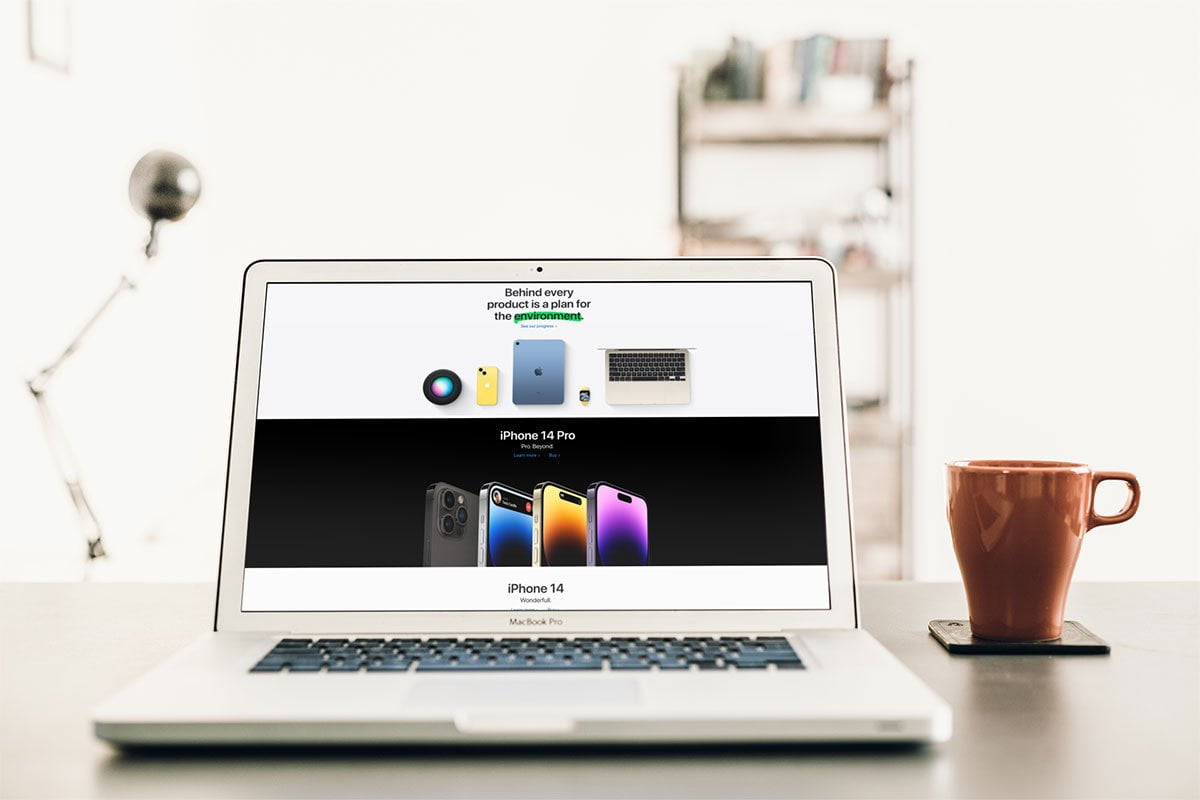
- Apple's website, known for clean layouts and whitespace
- Google's homepage, with a simple search bar and minimalistic design
- Dropbox's site, featuring a sleek and minimalistic interface with a focus on content.
How do I test a minimalist websites usability?
To test a minimalist website's usability, focus on clear navigation, concise content, and intuitive design. Conduct user testing, gather feedback, analyze user interactions, and optimize for simplicity. Utilize tools like heatmaps, A/B testing, and usability tests to enhance the user experience efficiently.
What are the benefits of a minimalist website design?
A minimalist website design offers improved loading speeds, enhances user experience through simplicity, boosts mobile responsiveness, and fosters a clean aesthetic. It also facilitates easier navigation, focuses on essential content, and can contribute to better conversion rates and SEO optimization by reducing clutter and distractions.
Can I use colors in a minimalist website?
In a minimalist website, colors are used sparingly to maintain simplicity and focus. Select a limited color palette to add emphasis or create contrast strategically. Integrate color thoughtfully to enhance the user experience without overwhelming the minimalist design aesthetic.
Can I use images in a minimalist web design?
Yes, images can be used effectively in minimalist web design. However, they should be carefully selected to complement the clean and simple aesthetic. Opt for high-quality, relevant images that enhance the content without cluttering the design. Strategic use of white space around images can maintain the overall minimalist look.
How to create a minimalist website for a blog?
To create a minimalist website for a blog, focus on clean design, limited color palette, ample white space, easy navigation, and concise content. Use simple fonts, high-quality images, and decluttered layout. Opt for minimal plugins and optimize for speed and mobile responsiveness.
How do I make a website look minimalist?
To achieve a minimalist website design, focus on clean layouts, ample white space, limited color palette, simple fonts, decluttered menus, and concise content. Utilize geometric shapes, high-quality images, and intuitive navigation to enhance the minimalistic look and feel. Avoid unnecessary elements and prioritize functionality and simplicity in design choices.
Can I use minimalist web design for complex applications?
Yes, minimalist web design can be used for complex applications by prioritizing simplicity, decluttering interface elements, emphasizing key features, maintaining user focus, and implementing intuitive navigation to enhance user experience despite the application's complexity.
What font styles are suitable for a minimalist website?
When designing a minimalist website, opt for clean and modern fonts like Arial, Helvetica, or Montserrat. These typefaces offer simplicity and readability, aligning with the minimalist aesthetic. Avoid decorative or overly stylized fonts that may clutter the design.
Are minimalist websites more cost-effective to maintain?
Minimalist websites are generally more cost-effective to maintain due to their simplicity. With fewer elements, updates are quicker, hosting costs may be lower, and maintenance is typically easier. Streamlined designs also often result in faster loading times, enhancing user experience and potentially reducing bounce rates.
What are the benefits of having a minimalist website design?
Having a minimalist website design can improve user experience by enhancing readability, reducing clutter, and increasing loading speed. It also promotes a modern and sleek appearance, improves mobile responsiveness, and facilitates easy navigation for visitors. Additionally, minimalist design can help maintain focus on essential content and enhance overall aesthetics.
How to measure the success of a minimalist website?
To measure the success of a minimalist website, focus on key metrics like site traffic, bounce rate, conversion rate, and user engagement. Monitor loading speed, mobile responsiveness, and readability. Use tools like Google Analytics for data-driven insights and feedback to optimize user experience. Regularly assess and refine the website design based on these metrics for continual improvement.
Can minimalist websites be effective for e-commerce?
Minimalist websites can be effective for e-commerce by enhancing the user experience, reducing distractions, and focusing on key product features. Streamlined design, easy navigation, and clear calls-to-action can lead to increased conversions and improved customer engagement. Balancing simplicity with functionality is essential for success in minimalist e-commerce websites.
What is the role of white space in minimalism?
White space, also known as negative space, plays a crucial role in minimalism by enhancing visual clarity, drawing attention to essential elements, creating a sense of simplicity, and allowing breathing room for the design to speak volumes with subtlety and sophistication.
How do I create a simple website?
To create a simple website, follow these steps:Choose a website builder like WordPress or Wix.
Select a domain name and hosting provider.
Design your website using templates or create custom content.
Add essential pages like Home, About, Services, and Contact.
Optimize for SEO and mobile responsiveness.
How can I apply minimalism to mobile web design?
To apply minimalism to mobile web design, focus on clean and simple layouts, prioritize essential content, use negative space effectively, limit colors and fonts, optimize for fast loading times, ensure easy navigation, and emphasize usability and functionality over unnecessary design elements. Utilize responsive design for a streamlined user experience on various devices.
What are some popular minimalist website builders?
Some popular minimalist website builders include Squarespace, Wix, Weebly, WordPress with minimal themes, and Format. These platforms offer clean, simple designs with easy customization options suitable for creating elegant and streamlined websites.
What are the key elements of a minimalist website?
Key elements of a minimalist website include:
1. Clean, uncluttered design
2. Limited color palette
3. Ample white space
4. Simple navigation
5. Clear typography
How to make a minimalist website more engaging?
To create an engaging minimalist website, focus on:
1. Clean design with ample white space.
2. High-quality visuals for impact.
3. Compelling typography and limited color palette.
4. Intuitive navigation for seamless user experience.
5. Thoughtful use of negative space for emphasis.
6. Interactive elements to add depth and engagement.
How to optimize minimalist design readability?
To optimize minimalist design readability, focus on:
- Using ample white space.
- Choosing a legible font.
- Implementing a clear hierarchy.
- Limiting color choices.
- Ensuring adequate contrast.
- Emphasizing essential elements.
What minimalist features enhance user engagement?
Minimalist features like clean design, clear typography, intuitive navigation, and strategic white space enhance user engagement. Simplified content, limited color palette, and seamless functionality also contribute to a streamlined user experience, promoting increased engagement and usability on websites or apps.
How to integrate branding in minimalism?
To integrate branding in minimalism successfully, focus on simplicity, consistency, and clarity in design elements. Use a limited color palette, streamlined typography, and a clean logo. Ensure that all visual aspects align with your brand's core values and message, emphasizing quality over quantity in all brand representations. By maintaining a minimalist approach across all touchpoints, your brand identity will remain impactful and memorable.
How minimalism affects conversion rates?
Minimalism positively impacts conversion rates by enhancing user experience, improving site speed, reducing distractions, and emphasizing essential content. Simplified designs, clear calls-to-action, and faster load times all contribute to increased conversions and engagement on websites.
What minimalist trend predictions for future?
In the future, minimalist trends are expected to focus on sustainability, functionality, and simplicity. Natural materials, neutral colors, and versatile designs will dominate. Emphasis will be on decluttering, multi-functional pieces, and eco-friendly practices, with a shift towards timeless, essential items.
How to test minimalist design effectiveness?
Testing minimalist design effectiveness involves user feedback and data analysis. Conduct A/B testing with subtle variations, analyze user behavior through heatmaps and click-through rates, and gather qualitative feedback through surveys or usability testing. Focus on key metrics like conversion rates and user engagement to evaluate the design's impact accurately.
What minimalist design appeals globally?
Minimalist design appeals globally due to its simplicity, functionality, and timeless aesthetic. It focuses on clean lines, ample space, and a neutral color palette that transcends cultural boundaries, creating a sense of calm and sophistication that resonates universally. Its versatility allows for seamless integration into various environments and styles, making it a popular choice worldwide.
How to maintain a minimalist content strategy?
To maintain a minimalist content strategy, focus on quality over quantity, streamline your message, declutter visuals, prioritize user experience, and leverage white space. Consistently review and refine content for relevance and simplicity, embracing a less-is-more approach for optimal impact.
How to ensure minimalist design functionality?
To ensure minimalist design functionality, focus on simplicity, clean lines, ample white space, limited color palette, clear typography, and intuitive navigation. Prioritize content, eliminate unnecessary elements, maintain consistency, and enhance user experience with purposeful design choices.
What minimalist design stays timeless?
Minimalist designs that often stand the test of time include clean lines, neutral colors, functional furniture, and simple decor elements like geometric shapes or natural materials. Emphasizing quality over quantity and incorporating elements that serve a purpose are key to achieving a classic and timeless minimalist design.
How to incorporate multimedia in minimalism?
Incorporate multimedia in minimalism by displaying one focal piece, optimizing white space, using simple layouts, choosing high-quality visuals, limiting color palettes, maintaining consistency, and prioritizing functionality over decorative elements. Integrating multimedia subtly enhances minimalistic designs without overwhelming simplicity.
What minimalist frameworks best for SEO?
When considering minimalistic frameworks for SEO, options like Hugo, Jekyll, and Gatsby are advantageous. These frameworks offer speed, clean code structure, and efficient rendering, which can positively impact SEO performance. Selecting a minimalist framework with SEO-friendly features is crucial for website optimization and user experience.
How minimalism impacts emotional design?
Minimalism in design encourages simplicity, clarity, and focus by reducing unnecessary elements. This approach can evoke calmness, enhance user experience, and foster emotional connections through intentional design choices. By decluttering visuals and emphasizing essential elements, minimalism can evoke specific emotional responses, such as tranquility, sophistication, or efficiency, shaping how users interact with and perceive a product or service.
What is minimalist responsive design strategy?
Minimalist responsive design is a strategy that prioritizes simplicity and functionality in web design to ensure optimal user experience on various devices. It focuses on clean layouts, limited features, and efficient usability, adapting to different screen sizes seamlessly for a cohesive and user-friendly interface.
How to innovate within minimalist principles?
To innovate within minimalist principles, focus on simplicity, functionality, and intentional design. Embrace clean lines, essential elements, and purposeful aesthetics. Prioritize quality over quantity, maintain a clutter-free environment, and seek innovative solutions that enhance user experience while minimizing unnecessary complexities. Incorporate sustainable practices and customizable features to add depth and versatility while staying true to minimalist values.
What minimalist tactics improve bounce rate?
To improve bounce rate, consider minimalist tactics like decluttering your website, optimizing page speed, enhancing readability, and using clear call-to-action buttons. Streamlining navigation, reducing distractions, and focusing on essential content can also aid in retaining visitors and lowering bounce rates.
How does minimalism affect brand recognition?
Minimalism can enhance brand recognition by creating a clean, memorable aesthetic that helps the brand stand out. Simplified designs can make a logo or product instantly recognizable and build a strong, consistent brand identity. reducing clutter and focusing on essential elements reinforces brand recognition.
What metrics for minimalist design success?
Metrics for minimalist design success typically include user engagement, conversion rates, page load speed, bounce rate, and overall user satisfaction. Tracking these metrics helps assess the effectiveness of minimalist design in achieving desired user interactions and goals. Regular monitoring and analysis of these metrics are crucial for optimizing minimalist design strategies.
What minimalist strategies improve user retention?
Minimalist strategies that can enhance user retention include streamlined interfaces, clear navigation, decluttered content, faster loading times, and intuitive design. Simplified sign-up processes and personalized experiences also contribute to keeping users engaged. Testing and optimizing for usability are crucial in maintaining a minimalist approach that resonates with users.
What minimalist design works for multilingual sites?
When creating a minimalist design for multilingual sites, focus on clean layouts, intuitive navigation, and concise content. Use universal symbols, clear typography, and easily scalable elements. Ensure accessibility by providing language options prominently and maintaining consistent design aesthetics across all language versions. Remember to prioritize user experience and readability for diverse audiences.
How to create minimalist icons and logos?
To create minimalist icons and logos, follow these steps:Start with a clean and simple design concept.
Limit the color palette to a few colors for a cohesive look.
Focus on essential elements to convey the intended message.
Use negative space effectively to add depth and interest.
Ensure scalability by keeping the design uncomplicated and easily recognizable.
What minimalist design best for user testimonials?
For user testimonials, a minimalist design approach focusing on clean layouts, concise text, high-quality images, and prominent call-to-action buttons works best. Using ample white space, simple typography, and a subtle color palette can enhance the user experience and draw attention to the testimonials effectively.
How to align minimalist design with UX trends?
Aligning minimalist design with current UX trends involves focusing on simplicity, clarity, and functionality. Prioritize user needs, simplify navigation, utilize whitespace effectively, maintain consistency in UI elements, and emphasize user-centered design. Incorporate responsive design, microinteractions, accessibility, and thoughtful typography choices for a streamlined yet user-friendly experience.
What minimalist elements ensure design consistency?
Minimalist design elements such as simple color palettes, clean typography, ample white space, and consistent use of shapes and lines all contribute to ensuring design consistency. By maintaining a focus on these key aspects, a cohesive and harmonious visual identity can be achieved across various elements of a design project.
How to prioritize content in minimalist design?
In minimalist design, prioritize content by focusing on essential elements, using ample white space, maintaining a visual hierarchy, limiting distractions, and ensuring clarity in messaging. Emphasize quality over quantity, simplify visuals, and align content with your design's purpose to achieve a minimalist aesthetic.
What minimalist approaches to typography work best?
Minimalist typography works best through clean layouts, ample white space, simple fonts, and restrained color palettes. Embrace hierarchy, use grid systems for alignment, and focus on readability by eliminating clutter. Limit font variations, opt for sans-serif fonts, and emphasize strategic placement to enhance visual appeal.
What minimalist design complies with accessibility standards?
Minimalist design adhering to accessibility standards should focus on simplicity, clear navigation, high color contrast, proper text hierarchy, alternative text for images, keyboard navigability, and semantic HTML structure. Implementing ARIA roles and landmarks can also enhance accessibility for all users.
How to showcase products in minimalist design?
To showcase products in minimalist design, focus on clean lines, negative space, and simple color palettes. Use high-quality images with a white background, emphasize product details, and limit clutter. Ensure that each element serves a purpose and highlights the product's essence and functionality.