Packed with Useful Marketing Tips for Your Small Business: Our blog discusses all the essential strategies and tactics that small businesses need for growing your business.
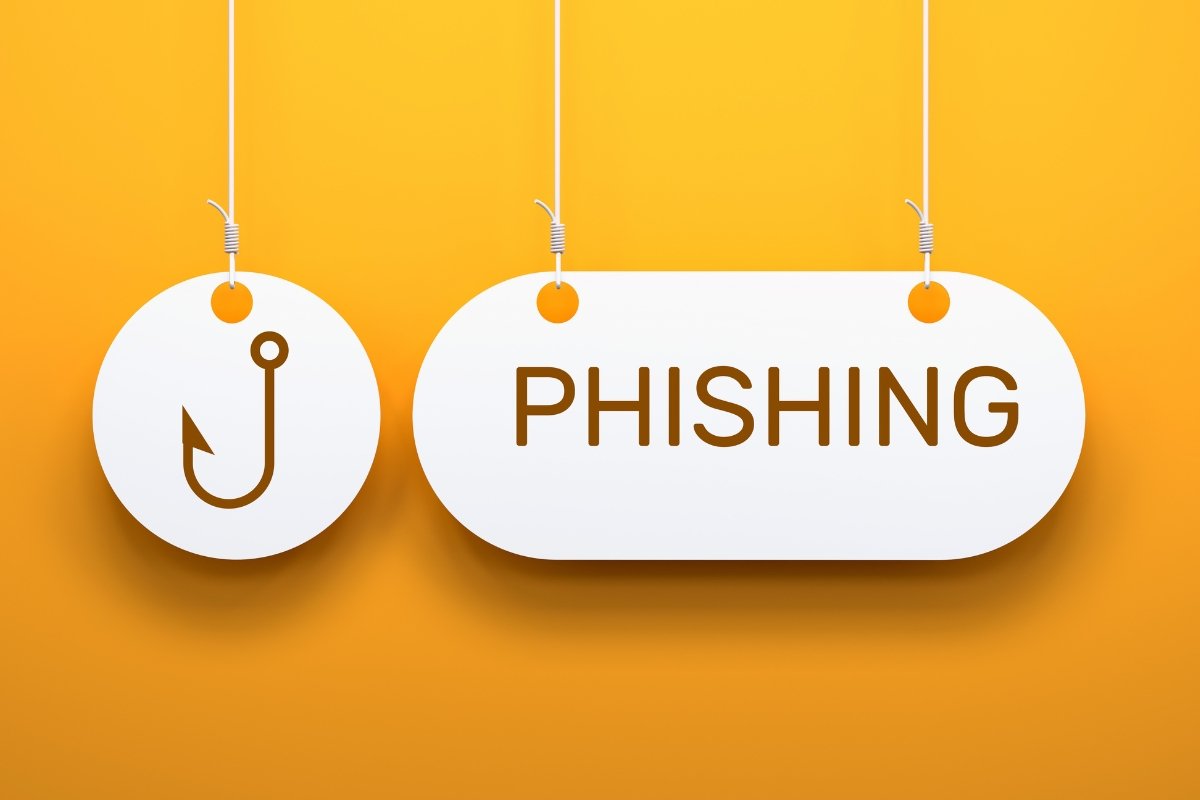
Phishing attacks are becoming more sophisticated, making it imperative for internet users to stay vigilant. By following security best practices such as never clicking on suspicious links or providing personal information to unknown sources, you can protect yourself from falling victim to phishing scams. Utilizing email security features and keeping your software updated can also help in safeguarding your online activities.
If you suspect that you have received a phishing email, do not interact with it and report it to the appropriate authorities or your email provider. Educating yourself and others about the dangers of phishing can help in promoting a safer online environment. Remember, staying informed and cautious is key to staying safe in a sea of scams.
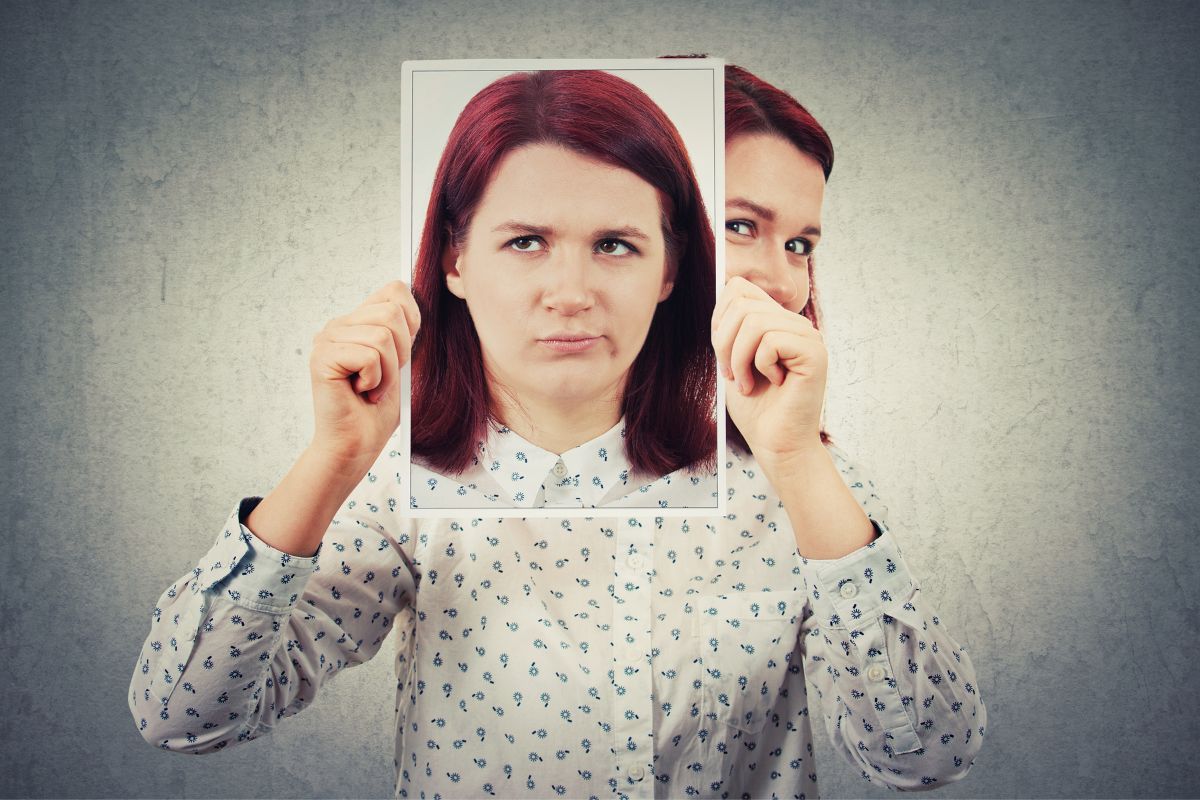
Fake emails, also known as spoofed emails, are designed to trick recipients into believing they are legitimate communication from trusted sources. To detect fake emails, carefully examine the sender's email address and look for any suspicious or unusual elements. Be wary of emails requesting sensitive information or urging immediate action, as these are common tactics used by cyber criminals.
Implementing email filters and using email authentication protocols like DMARC and SPF can help in reducing the chances of fake emails reaching your inbox. Regularly updating your email security settings and educating yourself on common email scams can further enhance your ability to detect fake emails and protect your personal information. By being proactive and cautious, you can maintain a safer inbox and minimize the risk of falling victim to email fraud.